What is Bitcoin in Simple Words
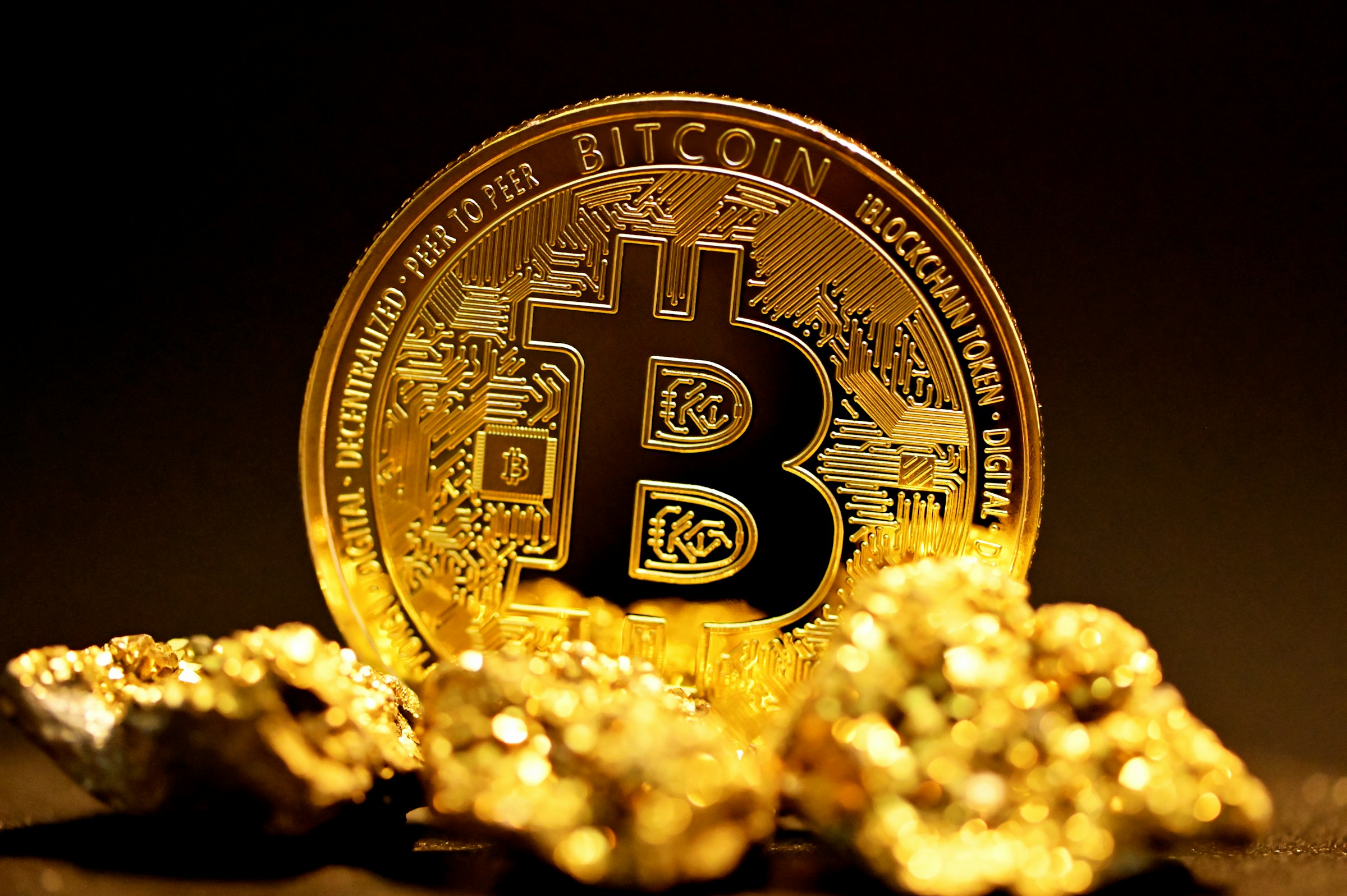
Bitcoin is digital money that you can send to anyone over the internet without using a bank. You store it in a phone app, and no government or company owns the system. It works day and night, anywhere in the world, with no middleman taking a cut or blocking your payment.
Think of it as cash for the web. When you buy a coffee with a debit card, your bank talks to the shop's bank to move the money. With Bitcoin, your app talks directly to the shop's app. That simple change makes online payments look completely different.
How Bitcoin Works Without a Bank
To understand Bitcoin, picture a shared notebook. Thousands of computers around the world keep an exact copy of this notebook. Every single time someone sends money, all these computers check their copies to make sure the sender actually has the coins.
If Sarah wants to send Tom one coin, the system checks her balance. The computers agree she has it, and they write the payment down. Once it is written, no one can erase it or change it. This technology is called a Blockchain, and it keeps everyone honest.
Back in 2010, a man bought two pizzas for 10,000 bitcoins. It was the first time anyone used the digital coins to buy a real thing. Today, those same coins would be worth hundreds of millions of dollars. The ledger system has kept running every day since then without stopping.
You might wonder how you keep your coins safe once you get them. People use special apps or hardware items to guard their money. You can learn more about how to keep your funds safe by reading How a Crypto Wallet Works to Keep Your Digital Coins Safe.

Where Do New Bitcoins Come From?
Regular banks print cash whenever they want. This can make your money worth less over time because there is more of it around. Bitcoin does not work like that at all. The computer code sets a hard limit, so there will only ever be 21 million coins in existence.
Powerful computers earn new coins by solving hard math problems. People call this process mining. The software gives out new coins on a fixed clock, every ten minutes. About every four years, the number of new coins given out drops right in half.
In 2009, the system created 50 new coins every ten minutes. By 2024, that number fell to just 3.125 coins. This slow release makes the supply tight. It means no president, king, or company can press a button and make millions of extra coins out of thin air.
Why Do People Want to Buy Bitcoin?
People buy this digital coin for a few key reasons. Some treat it like digital gold. They want a place to put their savings where a central bank cannot inflate it away. When prices rise for food and gas, some investors hope their digital coins will hold their value better than paper cash.
Others like the freedom it gives them. If you want to send money to a family member in another country, banks often charge high fees. They can also take three days to clear the transfer. A Bitcoin payment moves in minutes, even on a Sunday night, and costs the same no matter how far it goes.
Many folks also check out our beginner crypto guides to see how people use digital assets in daily life. Some online shops accept it directly at checkout. Other users just hold onto their balance, hoping the price will go up over the long run.
Is Bitcoin Safe or Is It a Risk?
The code behind Bitcoin is strong and has never been hacked. But owning it still brings real risks that you must think about carefully. First, the price jumps up and down like a roller coaster. A single coin might lose 10 percent of its value in one day, then gain it back the next week.
Second, you are your own bank. If you lose your password or write down your recovery seed wrong, no one can help you reset it. There is no customer support desk to call. If you send money to the wrong address, that money is gone forever.
Scammers also love to target newcomers. They might send you emails promising to double your money in a week. Real Bitcoin investments never promise guaranteed returns. If an offer sounds too good to be true, it is always a trap.
What is Bitcoin in Simple Words Compared to Cash?
Paper cash sits in your pocket or your local bank vault. The government controls how much is printed, and banks can freeze your account if they suspect an error. Physical cash also gets worn out, lost, or stolen if your house burns down.
Bitcoin lives entirely on a global network. You can write your secret key on a scrap of paper or memorize it in your head. That means your money stays with you even if you travel to a new country with just the clothes on your back. It is pure digital information.
Yet cash has one huge advantage right now: almost every store accepts it. You cannot buy a fast burger in most towns using digital coins just yet. It is still a young network trying to grow into a daily tool.
How Do You Get Your First Fraction of a Coin?
You do not need to buy a whole coin to get started. That is one of the biggest myths around. Each coin breaks down into 100 million tiny pieces called Satoshis. You can easily buy ten or twenty dollars worth if you want to try it out.
Most beginners use a trusted online exchange. You sign up, connect your bank account, and swap some cash for digital coins. Once you make the buy, you can leave the coins on the exchange or send them to your private phone app.
Before putting any real money in, practice with tiny amounts. Try buying five dollars worth, then send two dollars to a friend. Seeing how the transfer works in real life makes the concepts clear much faster than reading book chapters.
The Future of Digital Cash
This new form of money is still an experiment, but it has lasted over fifteen years. Millions of people use it every day, from tech fans in big cities to families living in countries with broken banking systems. It shows us that money can exist purely on an open computer network.
Whether it becomes the main way we pay for things or stays a special digital asset is still unknown. The price will keep moving, and new rules from governments will come. Learning how it works now gives you a great front seat to how technology is changing money.
If you want to try it out, start very small. Never spend money you need for rent or food, and take your time to read and learn before making any big choices.


Comments
Post a Comment