Stablecoins Explained Simply: How They Keep a Steady Price
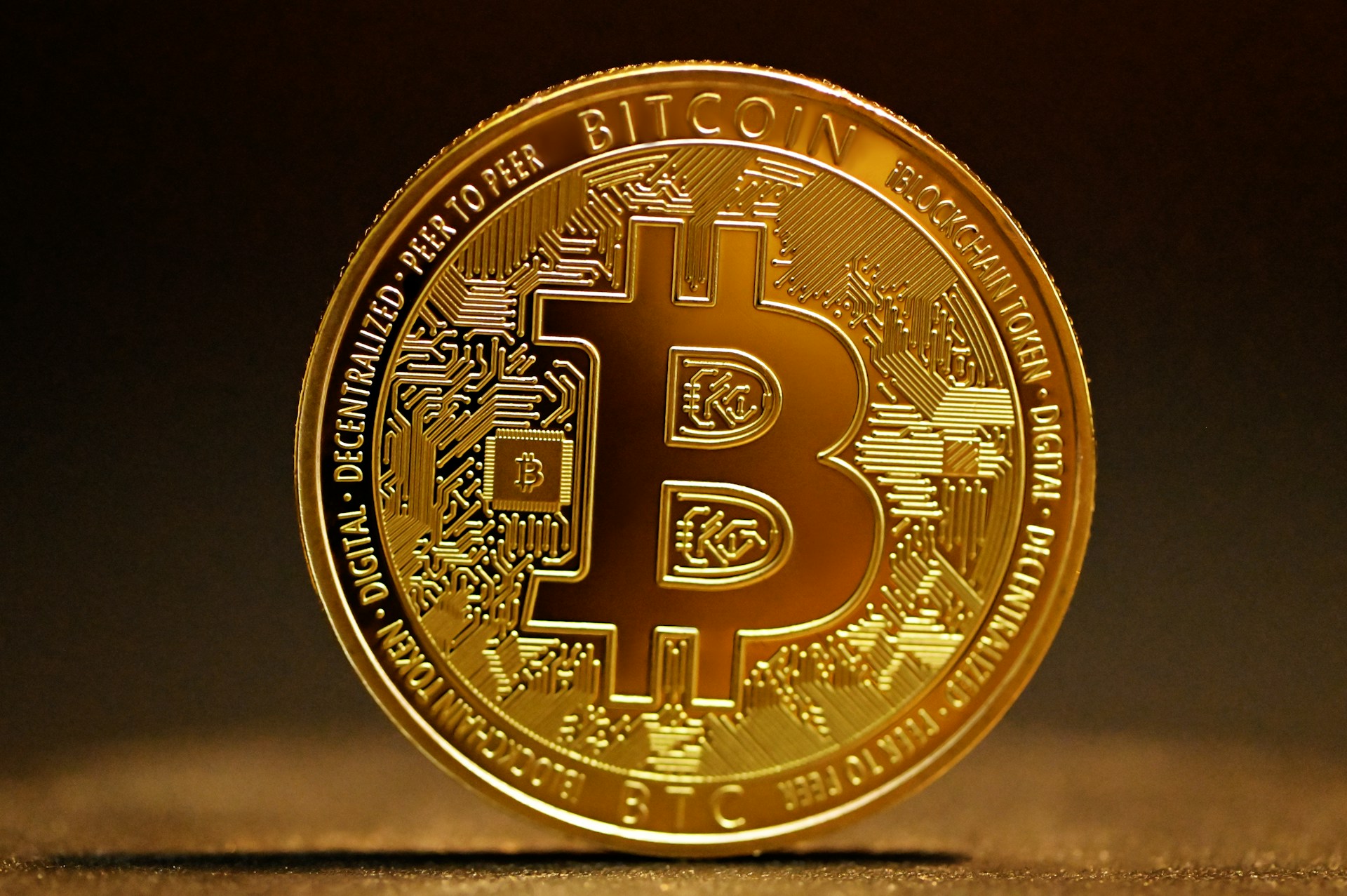
Stablecoins promise to fix the biggest problem in crypto, which is wild price swings. Imagine buying a digital coin today for ten dollars, only to find it is worth five dollars tomorrow. That happens all the time with normal coins, but stablecoins stay tied to real money like the US dollar.
A stablecoin is a type of cryptocurrency made to keep a set value over time. Most of them try to stay worth exactly one dollar. You get the speed of digital transfers without the fear of waking up to a crashed price.
What Is a Stablecoin and How Does It Work?
Most cryptocurrencies change price every second based on who wants to buy or sell them. A single tweet can make prices jump or drop by twenty percent. Stablecoins avoid this by locking their value to an outside asset, usually a cash currency.
Think of it like a ticket at a coat check. You give the attendant your heavy jacket, and they give you a paper ticket. That paper ticket is not a jacket, but it proves you can get your jacket back whenever you want. A stablecoin works like that paper ticket for digital money.
When a company creates one million stablecoins, they should put one million real US dollars into a bank account. If you want to trade your digital coin back for paper cash, the company pays you from that bank pool and destroys the digital coin. This matching setup keeps the price glued to one dollar.
People use these coins every day to move money across borders quickly. Sending cash through a normal bank to another country can take three days and cost thirty dollars. Sending a digital dollar often takes ten seconds and costs less than two dollars. You can read more in our guide on Stablecoins Explained Simply: How They Work and Their Risks.

The Different Types of Stablecoins
Not every stablecoin uses a bank full of paper cash to back up its value. Companies use three main ways to keep their digital coins steady. Knowing the difference helps you understand where the risks hide.
First are fiat backed coins. Fiat is just a official word for government money like dollars or euros. These are the most simple types. A company holds real cash and short term government bonds in a safe bank. For every digital token on the network, one real dollar sits in reserve. Examples include USDT and USDC.
Second are crypto backed coins. These do not use dollars in a bank. Instead, they use other digital currencies like Bitcoin as collateral. Because crypto prices change so fast, these coins use extra safety buffers. To get one hundred dollars of this stablecoin, you might have to deposit one hundred and fifty dollars worth of crypto. If your backing crypto drops in price, the system automatically sells it to keep the coin safe.
Third are algorithmic coins. These are the most dangerous type because they hold no real assets at all. They use computer rules and smart math to change the supply of coins based on buying demand. If the price goes above one dollar, the computer creates more coins to push the price down. If the price falls, the computer burns coins to pull the price up. History shows these math experiments can fail very fast.
Why Do People Use Stablecoins Instead of Normal Cash?
You might wonder why anyone wants a fake digital dollar when they already have real cash in a bank account. The main reason is that banks close on weekends, but global markets never sleep. Digital dollars move instantly at any hour of the night.
Crypto traders use them constantly to save their profits. Imagine you bought a Bitcoin and made five hundred dollars in profit. If you sell it back for cash to your bank, you might pay exchange fees and wait days for the cash to settle. If you swap it for a digital dollar, your money is instantly safe from price crashes while staying inside the crypto apps.
People living in countries with high inflation use them to save their family funds. In places where local money loses value every week, finding paper US dollars is hard or illegal. A digital dollar on a phone lets anyone store value safely without carrying physical cash through dangerous streets.
Online shops are starting to accept them too. A small business owner selling handmade shoes to foreign buyers can get paid instantly without losing five percent to credit card processing fees. You can learn about other crypto basics by visiting our crypto basics beginner hub.
The Hidden Risks You Need to Know
Stablecoins look totally safe on the surface, but they carry risks that banks do not have. The word stable is in the name, but stability is never guaranteed in the digital asset world. You can lose money if you do not pay attention to the details.
The biggest danger is de-pegging. Pegging means staying tied to the one dollar price. If people lose trust in a coin, everyone tries to sell it at once. The price can break away from one dollar and drop to ninety cents, fifty cents, or zero. In 2022, a popular coin named UST lost its peg and wiped out forty billion dollars of user money in a few days.
Company trust is another clear issue. When a private firm claims they have ten billion dollars in a bank, you have to take their word for it or trust an outside audit. If that company lies, or if a government freezes their bank accounts, the digital coins could suddenly become worthless paper tickets with no jacket to collect.
There is also no government deposit insurance. If your local bank goes bankrupt, the government usually protects your cash up to a certain high limit. If a digital dollar issuer goes out of business, no central safety net steps in to give you back your funds. You are on your own.
Smart contract bugs add one more layer of worry. The code running these coin networks is written by humans. Humans make mistakes. Hackers regularly find errors in software code and steal millions of tokens from digital vaults in minutes.
How to Store and Use Them Safely
If you want to try using digital dollars, caution is your best friend. Never put all your savings into digital assets. Treat them as a tool for quick trades or international payments, not a replacement for a insured bank account.
Stick to well known coins that publish regular audit reports. An audit report is a document from an independent accounting firm showing that the cash in the bank matches the tokens on the screen. Look for companies that list their cash reserves every month on a public website.
Keep your coins in a private wallet where you hold the security keys, rather than leaving them on an exchange platform indefinitely. When you control the keys, no market middleman can freeze your funds or stop you from sending your money where you want.
Always do a tiny test transfer first. If you plan to send fifty dollars to a friend, send one dollar first to check the wallet address. Once that single dollar arrives safely, you can send the rest without sweating over typos.
Are you planning to hold some digital dollars for quick trading, or do you prefer keeping your money in standard cash accounts?


Comments
Post a Comment