How Crypto Exchanges Work and What Happens to Your Money

Crypto exchanges work like a digital marketplace where you trade your regular cash for digital coins. You log in, pick a price, and wait for someone else to agree to the deal. It sounds simple, but the machinery behind the screen is doing a lot of heavy lifting to keep those trades moving.
At its heart, an exchange is just a middleman that connects buyers and sellers. If you want to buy one Bitcoin, the exchange finds a person who wants to sell one. They take a small fee for making the match happen. Without them, you would have to find a stranger on the internet and hope they actually send the coins after you pay. That is a scary way to trade, so most people use these big platforms instead.
How the order book matches buyers and sellers
The order book is the brain of the exchange. It is a giant, live list of every person who wants to buy or sell at a specific price. When you look at an exchange screen, you see red and green numbers flashing constantly. Those are real people around the world changing their minds about what a coin is worth. It works just like a busy farmer's market where everyone is shouting prices at once.
Imagine you want to buy Ethereum for 2,000 dollars. You put in a "limit order" which tells the system to wait until that price hits. If the lowest seller is asking for 2,005 dollars, nothing happens yet. Your order sits there in the green column. As soon as a seller drops their price to 2,000 dollars, the computer clicks them together. The trade happens in a fraction of a second. This speed is why many people think trading crypto is faster than traditional banking.
Most beginners use a "market order" instead. This tells the exchange to buy right now at whatever price is available. You get your coins instantly, but you might pay a tiny bit more than you wanted. It is like buying a soda at a gas station instead of waiting for a sale at the grocery store. You pay for the speed and the ease of the trade.
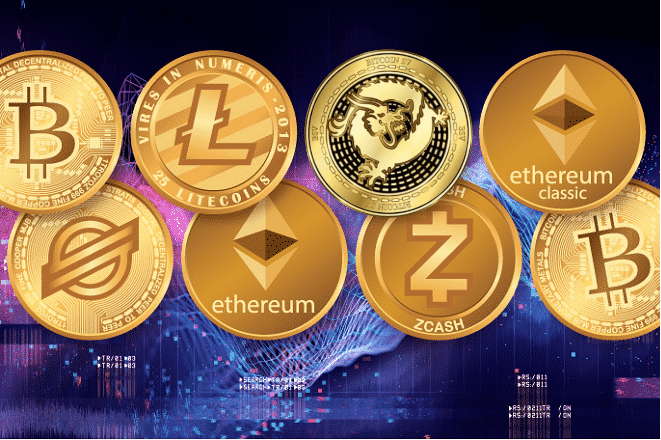
Where your money goes when you deposit
When you send dollars or euros to an exchange, they do not just sit in a box with your name on it. The exchange adds a number to your account screen to show what you own. In the background, the exchange keeps most of the actual money in big bank accounts. This is a big point of risk that every beginner should understand clearly. You are trusting the company to keep your cash safe and ready for you.
The same thing happens with your digital coins. When you buy Bitcoin, the exchange moves it from the seller's internal balance to yours. The actual coins often stay in the exchange's "cold storage" which are offline computers that hackers cannot reach. They keep a small amount in "hot wallets" that are connected to the internet. This helps them process withdrawals quickly when people want their money back. If a site keeps too much in hot wallets, they are at a higher risk of being robbed.
It is helpful to remember that an exchange is not a bank. Banks have special insurance from the government in many countries. If a bank fails, you often get your money back up to a certain limit. Most cryptocurrency platforms do not have this same safety net. If the company goes out of business or gets hacked, your balance might just disappear. This is why many experts say you should not leave large amounts of money on an exchange for a long time.
The different types of crypto exchanges
There are two main types of exchanges you will see. The first is a Centralized Exchange, or CEX. These are companies like Coinbase or Kraken. They have a CEO, an office, and they follow government rules. They are easy to use because you can link your bank account directly. If you forget your password, you can click a button to reset it. They feel very much like a regular stock trading app or a banking app.
The second type is a Decentralized Exchange, or DEX. These do not have a company running them. Instead, they are just pieces of code running on a blockchain. There is no "forgot password" button here. You trade directly from your own wallet. This is much more private, but it is also much harder for a beginner to use. One wrong click on a DEX can mean your money is gone forever because there is no customer support to call.
CEX platforms are where most people start. They check your ID and make sure you are a real person. This process is called KYC, which stands for Know Your Customer. It helps stop criminals from using the platform to hide money. While it takes a few days to get approved, it makes the whole system feel a bit safer for regular people who just want to buy their first bit of crypto.
How exchanges make money from your trades
Exchanges are businesses, and they need to pay for their staff and big computer servers. They do this mostly through fees. Every time you buy or sell, they take a small cut. This might be 0.1 percent or it might be a flat fee like 2 dollars. If you trade 1,000 dollars, you might pay 1 dollar to the exchange. It does not seem like much, but when millions of people trade every day, it adds up to a huge profit.
Another way they make money is through something called the "spread." This is the gap between the highest buy price and the lowest sell price. If you want to buy, you pay the higher price. If you want to sell, you get the lower price. The exchange often pockets a bit of that difference. It is a hidden cost that many new traders do not notice at first. Always look at the final amount of coins you get before you click the buy button.
Some exchanges also charge you to move your coins out to your own private wallet. This is called a withdrawal fee. Some platforms make this fee very high to discourage you from leaving. It is a good idea to check these fees before you sign up. If you are only buying 50 dollars worth of a coin, a 20 dollar withdrawal fee would be a very bad deal. You might find better tips on how to grow a Facebook page from scratch to share your findings with friends.
The risks of using a crypto exchange
Using an exchange is convenient, but it comes with real dangers. The biggest risk is that the exchange itself could be dishonest or poorly managed. History has shown that even big, famous exchanges can fail. When they go bankrupt, the users are often the last people to get paid back. You might wait years in court and still get nothing. This is the honest truth about the crypto world that many people ignore.
Hacking is another constant threat. Because exchanges hold billions of dollars, they are the biggest targets for digital thieves. Even if the exchange has great security, your own account might be the weak link. If someone gets your password and you do not have two-factor authentication, they can drain your account in minutes. Always use an app like Google Authenticator rather than just getting a text message code. Text messages can be intercepted by clever hackers.
Then there is the risk of "slippage." This happens when you try to buy a lot of a coin at once, but there are not enough sellers. Your order eats through the cheap prices and starts buying the expensive ones. You end up with a much higher average price than you expected. For small trades, this is not a big deal. But for big moves, it can cost you hundreds of dollars in seconds. Always double check your order details before you confirm.
How to pick a safe exchange to use
Choosing where to put your money is a big decision. Look for exchanges that have been around for a long time. The ones that have survived through many years of price ups and downs are usually more stable. Check if they have insurance for their digital assets. Some companies pay for private insurance that covers their hot wallets in case of a hack. This adds a layer of protection for your coins.
Read reviews from other real people. Do not just look at the stars on an app store. Go to forums and see if people are complaining about withdrawal delays. If a company takes weeks to let people move their money out, that is a giant red flag. A healthy exchange should move your money quickly. You should also check if they are registered with the financial authorities in your country. This means they have to follow certain laws to stay in business.
Start small. When you join a new platform, do not send all your savings at once. Send a small amount, try a trade, and then try to withdraw it back to your bank. If everything works smoothly and the fees are fair, then you can consider doing more. It is your money, so you have every right to be extra careful with it. Many people find that blockchain technology is amazing, but the companies built on top of it can still be flawed.
Think about what you really need. If you just want to buy Bitcoin and hold it for five years, you want a platform with very high security and low fees. If you want to trade different coins every day, you need a fast app with a lot of features. Every exchange is built for a different type of person. Take your time to find the one that fits your own goals and makes you feel comfortable.
Do you feel ready to set up your first account, or does the idea of an order book still feel a bit messy? Try looking at a live price chart today just to see those numbers moving in real time.


Comments
Post a Comment